
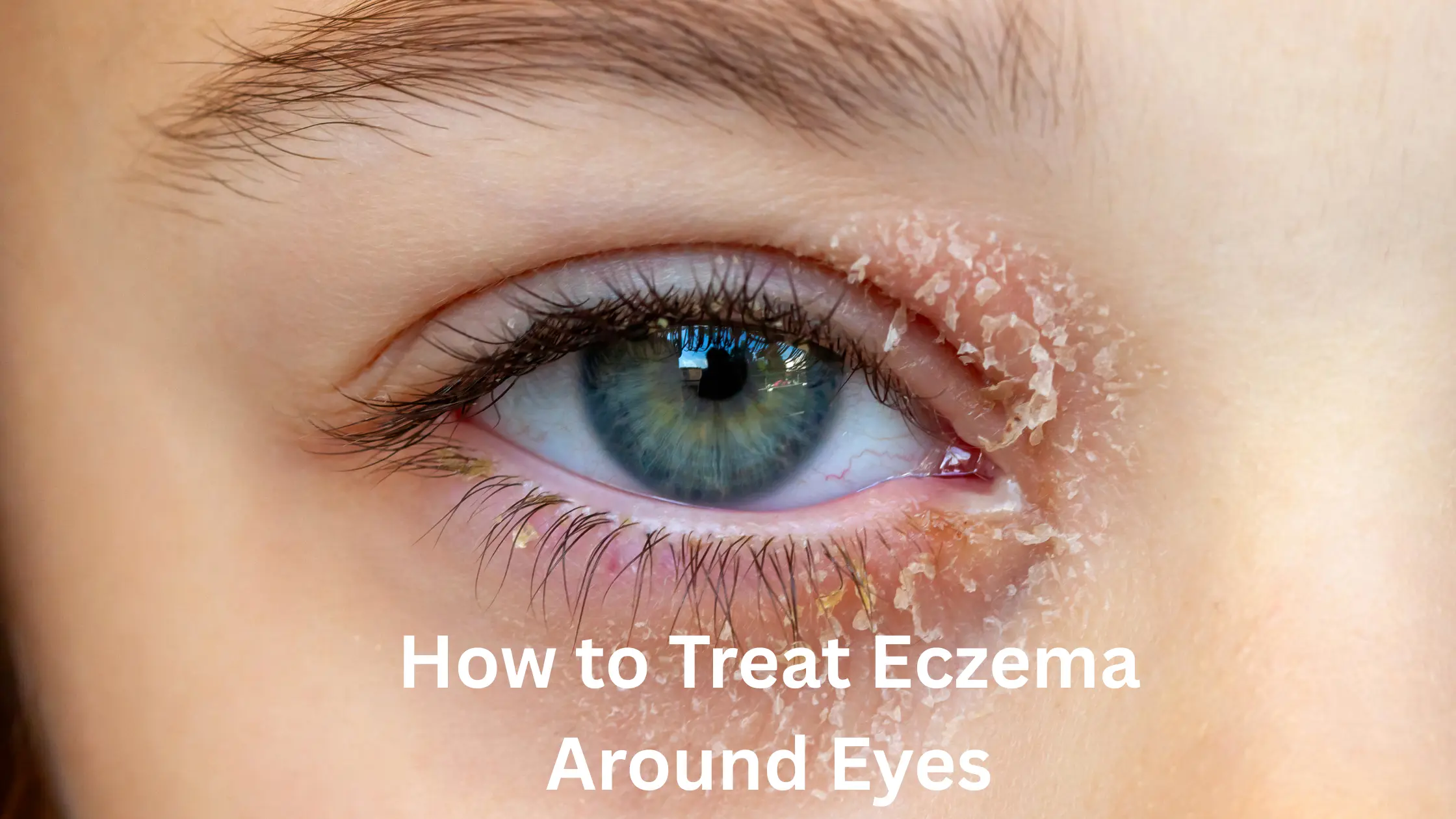
Eczema, also known as atopic dermatitis, is a common skin condition that causes inflammation, redness, and irritation. When eczema affects the sensitive skin around the eyes, it can be especially uncomfortable and challenging to manage. The delicate skin around the eyes is prone to irritation, making treatment more complex and requiring special care. This blog provides effective ways to treat eczema around the eyes, helping you find relief and restore your skin’s health.
Understanding Eczema Around the Eyes
Eczema around the eyes is often caused by the same factors as eczema on other parts of the body, such as genetics, allergens, environmental irritants, or stress. However, the skin around the eyes is thinner and more sensitive, which can make eczema flare-ups more noticeable and severe. Symptoms of eczema around the eyes may include:
- Dry, flaky skin
- Redness and inflammation
- Itching and discomfort
- Swelling around the eyes
- Dark circles due to irritation
The causes can vary from person to person, but common triggers include allergies to dust mites, pollen, pet dander, or certain skincare products. Additionally, harsh weather conditions, frequent rubbing or scratching, and stress can contribute to flare-ups.
Tips for Treating Eczema Around the Eyes
1. Use Gentle, Fragrance-Free Skincare Products
When treating eczema around the eyes, it is crucial to use skincare products that are mild and free from potential irritants. Fragrances, alcohol, and preservatives commonly found in skincare products can aggravate eczema. Look for creams, ointments, and cleansers labeled as “hypoallergenic” or “for sensitive skin.” Products containing natural ingredients like aloe vera, chamomile, or calendula can also be soothing and help reduce inflammation.
Tip: Choose an eczema-specific eye cream or ointment formulated for sensitive areas. Look for emollients that help lock in moisture without causing irritation.
2. Moisturize Regularly
Keeping the skin around your eyes well-moisturized is essential in treating eczema. Dry skin is more likely to crack, leading to further irritation and flare-ups. Use a thick, emollient moisturizer designed for sensitive skin. Apply it gently around the eyes after cleansing to help restore hydration and prevent dryness.
Look for moisturizers that contain ingredients like:
- Petrolatum (Vaseline) or mineral oil for a protective barrier
- Ceramides to help restore the skin’s natural barrier
- Hyaluronic acid for hydration
Tip: For extra relief, try using a humidifier at night to keep the air moist and help prevent skin from drying out.
3. Avoid Scratching or Rubbing
One of the most difficult aspects of eczema is resisting the urge to scratch the affected area. Scratching can break the skin, leading to infections, scarring, or worsening of eczema symptoms. To manage itching, apply a cold compress to the eyes or use over-the-counter hydrocortisone cream (with your doctor’s approval). Avoid rubbing the eyes, as this can trigger further irritation.
Tip: Wear soft cotton gloves at night to prevent scratching during sleep. This can help reduce skin damage and allow the eczema to heal.
4. Use Prescribed Topical Treatments
In cases where over-the-counter remedies are insufficient, a doctor may prescribe topical medications like corticosteroids to help reduce inflammation and calm eczema flare-ups. Topical steroids are often effective, but they should be used cautiously around the eyes due to the sensitive nature of the skin in this area. Always follow your doctor’s advice and never use steroid creams for prolonged periods unless prescribed.
Tip: For severe flare-ups, topical calcineurin inhibitors, such as tacrolimus (Protopic), may be recommended as they can reduce inflammation without the side effects of steroids.
5. Identify and Avoid Triggers
Understanding what triggers your eczema flare-ups is essential for long-term management. Common triggers for eczema around the eyes include:
- Allergens like pollen, pet dander, or dust mites
- Harsh skincare products containing alcohol or artificial fragrances
- Environmental factors, such as cold or dry air
- Food allergies (in some cases)
Keeping a journal to track flare-ups and potential triggers can help you identify patterns. Once you pinpoint the cause, take steps to minimize exposure. For example, if dust mites are a trigger, consider using allergen-proof bedding covers and cleaning your home regularly.
6. Try Cold Compresses for Immediate Relief
A cold compress is an excellent way to soothe the itching and inflammation that often accompanies eczema flare-ups. Applying a cold compress to the affected areas around the eyes can provide instant relief. The cool temperature helps reduce swelling and calms irritation, preventing you from scratching the area.
Tip: Soak a clean washcloth in cold water and apply it to your eyes for 10-15 minutes. Repeat as necessary to ease symptoms.
7. Consult a Dermatologist
If over-the-counter treatments and home remedies do not provide relief, it is essential to seek medical advice from a dermatologist. A professional can evaluate your condition and recommend stronger treatments, such as prescription creams, oral medications, or allergy testing, if necessary.
Tip: If your eczema is causing significant swelling or discomfort around the eyes, or if you notice signs of infection (e.g., pus or excessive redness), seek medical attention promptly.
Lifestyle Changes for Eczema Management
In addition to medical treatments, making certain lifestyle adjustments can help manage eczema around the eyes:
- Stress Management: Emotional stress can worsen eczema flare-ups, so incorporating relaxation techniques like yoga, meditation, or deep breathing exercises into your daily routine can be beneficial.
- Diet Considerations: In some cases, food allergies or sensitivities can trigger eczema. Keeping a food diary and working with a healthcare provider can help identify any problem foods.
- Avoid Makeup on Affected Areas: While your eczema is active, it’s best to avoid applying makeup around your eyes, as it can contain irritants that may worsen the condition. If you must use makeup, opt for hypoallergenic, fragrance-free products.
Conclusion
Treating eczema around the eyes requires careful attention and a combination of gentle skincare, prescribed treatments, and lifestyle changes. By using mild, fragrance-free products, moisturizing regularly, and avoiding known triggers, you can manage symptoms and promote healing. If eczema around the eyes persists or worsens, consult a dermatologist to receive the best possible treatment and care for your skin.
With patience and the right approach, you can regain control over your eczema and enjoy clearer, healthier skin around your eyes once again.
FAQs
1. Is it safe to use steroid creams near the eyes?
Topical steroids can be used short-term under medical guidance, but long-term use near the eyes can cause side effects like skin thinning. Consult a dermatologist for safer alternatives.
2. How do I know if it’s eczema or something else?
Eczema appears as dry, itchy, red patches, while contact dermatitis results from irritants or allergens. A dermatologist can confirm the diagnosis and recommend treatments.
3. What moisturizers work best for eyelid eczema?
Choose fragrance-free, sensitive skin formulas with ingredients like petrolatum, ceramides, or hyaluronic acid. Apply a small amount twice daily after cleansing.
4. Can I wear makeup and sunscreen during a flare?
During flare-ups, use hypoallergenic makeup and mineral sunscreens with zinc oxide or titanium dioxide. Always patch-test new products first.
5. When should I see a doctor urgently?
See a doctor if symptoms persist beyond two weeks, or if you experience swelling, oozing, or signs of infection. Seek immediate care for severe cases.