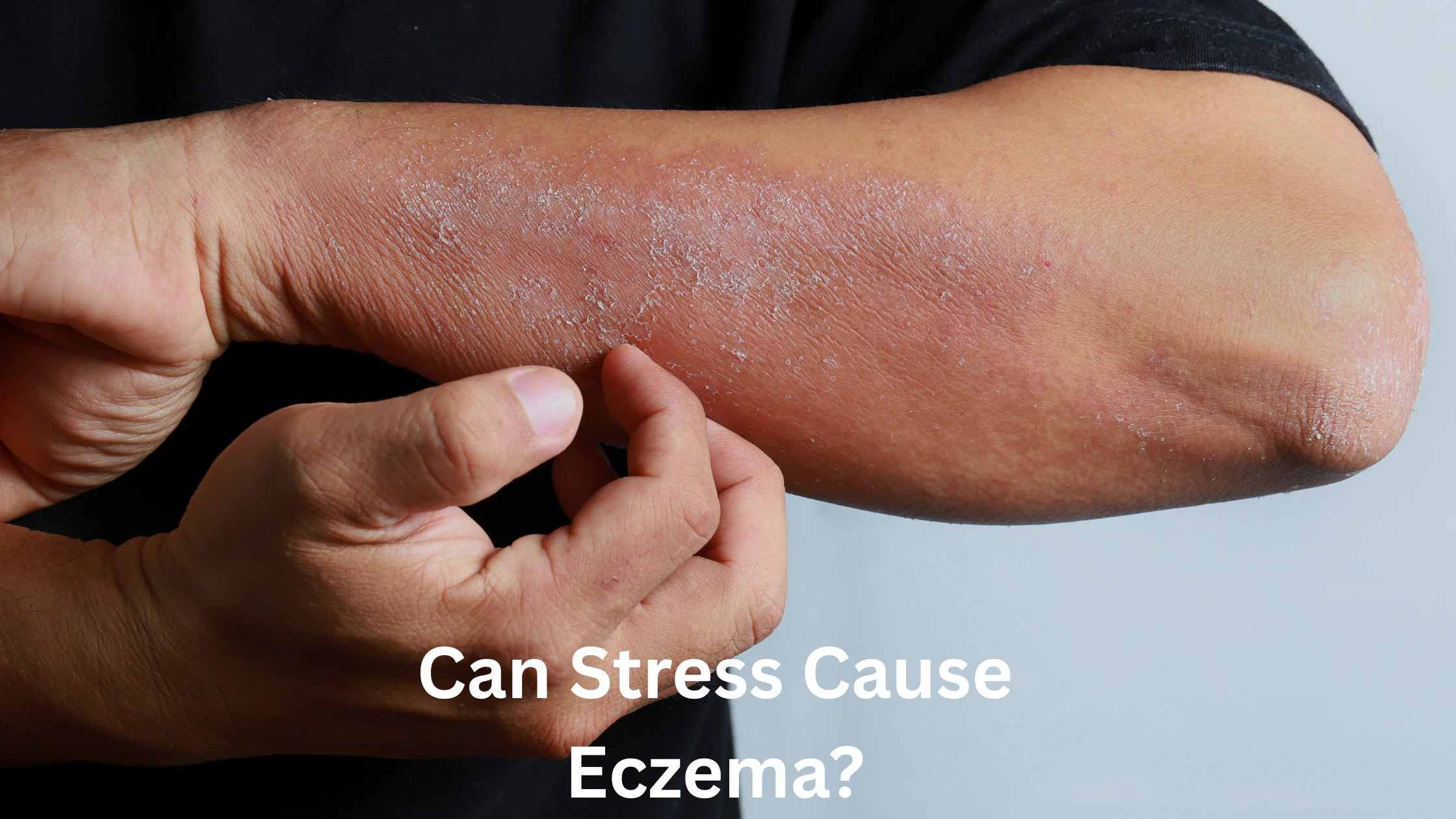
Eczema, also known as atopic dermatitis, is a chronic skin condition that causes itchy, inflamed patches on the skin. While the exact cause of eczema is not fully understood, it is widely believed that genetics and environmental factors play a significant role in its development. However, stress is increasingly being recognized as a major trigger for eczema flare-ups. In this blog, we will explore the connection between stress and eczema, how stress impacts the skin, and practical tips to manage stress to help prevent eczema flare-ups.
The Link Between Stress and Eczema
How Stress Affects the Skin
Stress triggers a complex series of physiological responses in the body, including the release of cortisol, the primary stress hormone. Elevated cortisol levels can disrupt the skin’s natural barrier function, leading to inflammation, dryness, and irritation. This makes the skin more vulnerable to environmental triggers, which can worsen eczema symptoms.
Stress can also trigger an immune response, which may intensify the symptoms of eczema. For individuals already prone to eczema, this heightened immune activity can lead to more frequent and severe flare-ups. The itching, discomfort, and inflammation caused by eczema can, in turn, contribute to further stress, creating a vicious cycle.
How Stress Can Trigger Eczema Flare-Ups
- Immune System Activation: Stress activates the immune system, leading to increased inflammation in the body. For those with eczema, this can mean a flare-up of symptoms.
- Skin Barrier Dysfunction: High stress can impair the skin’s ability to retain moisture, making it drier and more sensitive to allergens and irritants.
- Increased Scratching: Stress often leads to heightened itching. Scratching, in turn, damages the skin’s protective barrier and exacerbates eczema symptoms.
- Changes in Hormone Levels: Stress increases cortisol production, which can trigger inflammation and reduce the skin’s ability to heal itself, making it more prone to eczema outbreaks.
Managing Stress to Prevent Eczema Flare-Ups
1. Practice Relaxation Techniques
Engaging in relaxation techniques such as deep breathing, meditation, and yoga can help calm the mind and reduce stress levels. These methods not only promote mental well-being but can also help in reducing the physical inflammation that triggers eczema flare-ups.
2. Stay Active
Regular physical activity is a proven stress reliever. Exercise helps in the release of endorphins, which are natural mood boosters. It also helps regulate hormone levels, including cortisol, and can reduce the frequency of eczema flare-ups triggered by stress.
3. Sleep Well
A lack of sleep can worsen both stress and eczema symptoms. Ensuring a restful night’s sleep can help manage stress levels and give your skin the time it needs to repair itself. Aim for at least 7-9 hours of sleep per night.
4. Maintain a Healthy Diet
Eating a balanced diet rich in fruits, vegetables, and healthy fats can reduce inflammation in the body. Omega-3 fatty acids, found in fish and nuts, are particularly helpful in combating skin inflammation. Avoiding trigger foods, such as spicy or acidic foods, can also help reduce skin irritation.
5. Seek Professional Support
If stress becomes overwhelming and is affecting your skin health, consider seeking professional help. A dermatologist can provide eczema treatment options, while a counselor or therapist can help manage the psychological aspects of stress.
Conclusion
Stress is a significant trigger for eczema flare-ups, and managing stress effectively can help alleviate the severity of symptoms. By incorporating stress-relief practices into your daily routine, you can better control your eczema and improve your quality of life. If you’re struggling with eczema and stress, don’t hesitate to reach out to a healthcare professional for personalized guidance and treatment options.
FAQs
1. Can stress cause eczema in adults?
Yes, stress can trigger eczema flare-ups in adults by triggering immune responses and impairing the skin’s barrier function.
2. Does stress make eczema worse?
Yes, stress can worsen eczema by increasing inflammation, disrupting the skin’s protective barrier, and triggering the urge to scratch.
3. Can stress cause eczema on the face?
Yes, stress can cause eczema flare-ups on the face, especially in sensitive areas like the eyelids and around the mouth.
4. Is stress the primary cause of eczema?
No, stress is not the primary cause but can act as a significant trigger for eczema flare-ups in individuals who are genetically predisposed.
5. How can I relieve stress to prevent eczema?
Practice relaxation techniques, stay active, get enough sleep, eat a balanced diet, and seek professional support when needed.
6. Can stress-induced eczema be treated?
Yes, stress-induced eczema can be managed with treatments like moisturizers, steroids, and stress management techniques.
7. Can stress cause eczema in children?
Yes, stress can trigger eczema flare-ups in children, especially in cases where there is a genetic predisposition to the condition.
8. Is eczema worse during stressful times?
Yes, eczema tends to worsen during periods of high stress due to the impact of stress on the immune system and skin.
9. Can therapy help with stress-related eczema?
Yes, therapy can help manage stress, which in turn can reduce the severity and frequency of eczema flare-ups.
10. Does reducing stress prevent eczema?
While it may not completely prevent eczema, reducing stress can significantly minimize flare-ups and improve overall skin health.