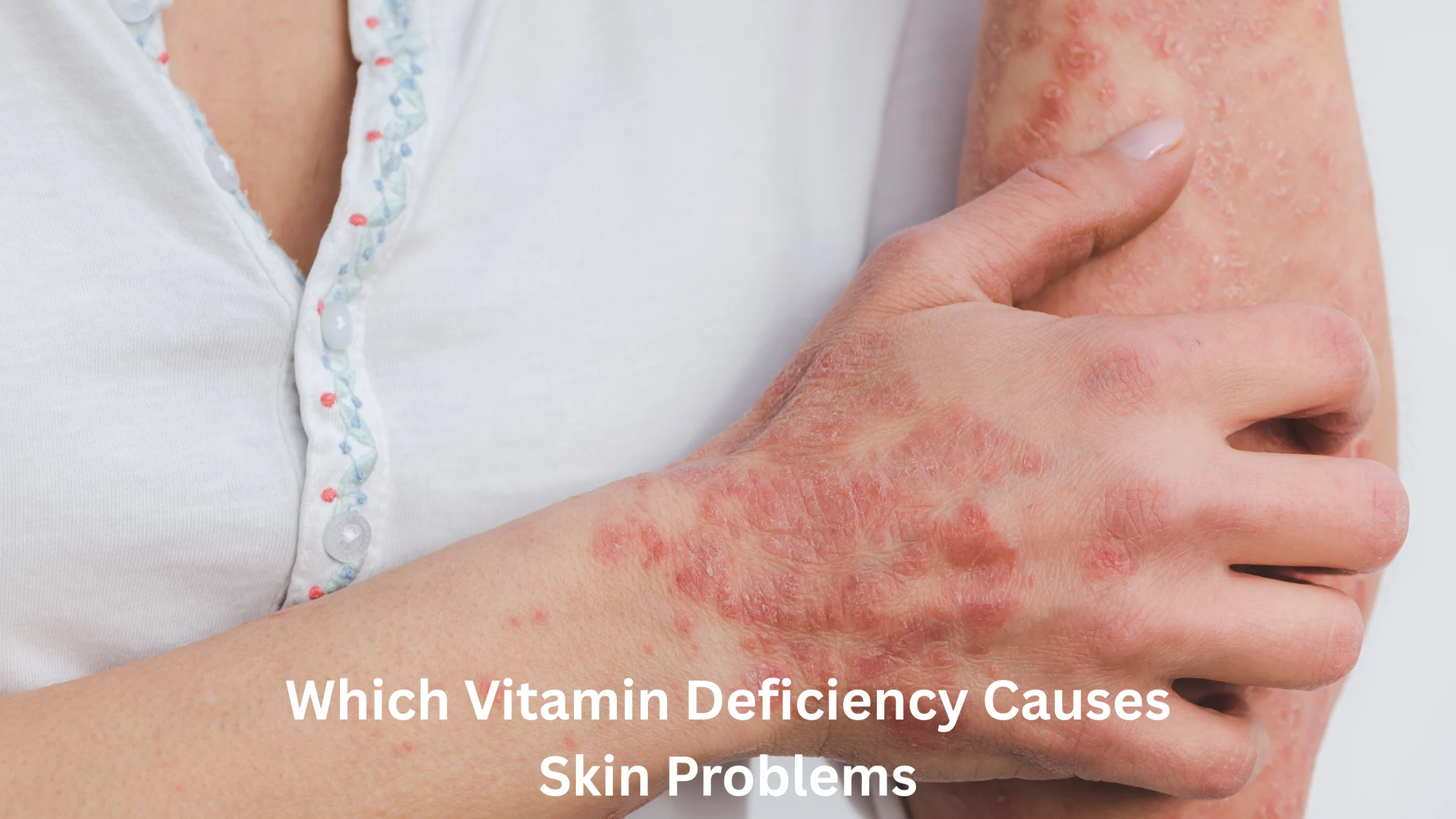
Our skin is not just the largest organ in our body; it’s also a reflection of our internal health. Skin problems often reveal underlying nutritional deficiencies, and vitamins play a crucial role in maintaining healthy skin. From acne and eczema to dryness and premature aging, certain vitamin deficiencies can directly impact the appearance and health of your skin. Understanding the vitamins that affect skin health can help you make the right dietary choices or supplements to restore balance and keep your skin glowing.
The Role of Vitamins in Skin Health
Vitamins are essential nutrients that our bodies need in small amounts to function properly. Many of these vitamins contribute to healthy skin by promoting cell turnover, protecting against UV damage, supporting collagen production, and controlling inflammation. When there’s a deficiency in one or more of these vitamins, the skin can react with various problems. Let’s break down some of the key vitamins and how their lack can affect skin health.
1. Vitamin A and Skin Health
Vitamin A is one of the most well-known vitamins for healthy skin. It plays a pivotal role in cell growth and repair. One of its forms, retinol, is commonly used in skincare products for its ability to reduce wrinkles and encourage the turnover of skin cells. A deficiency in vitamin A can lead to several skin issues, such as:
- Dry, flaky skin
- Acne
- Eczema
- Psoriasis
Foods rich in vitamin A include sweet potatoes, carrots, spinach, and other leafy greens.
2. Vitamin C and Skin Health
Vitamin C is vital for the production of collagen, the protein responsible for keeping skin firm and elastic. It also acts as a powerful antioxidant that helps protect the skin from free radical damage caused by UV rays and pollution. If you’re not getting enough vitamin C, your skin might show signs of premature aging, such as fine lines and wrinkles, and you may also notice slower healing of wounds and blemishes.
Common symptoms of a vitamin C deficiency are:
- Dry, rough skin
- Wrinkles
- Red or purple spots (due to weakened blood vessels)
Sources of vitamin C include citrus fruits, strawberries, bell peppers, and broccoli.
3. Vitamin E and Skin Health
Vitamin E is another potent antioxidant that protects skin cells from oxidative stress. It also helps maintain moisture in the skin and is known for its ability to reduce the appearance of scars and promote healing. A deficiency in vitamin E can cause:
- Dry skin
- Itchy or irritated skin
- Increased risk of sun damage
You can find vitamin E in foods like almonds, sunflower seeds, spinach, and avocado.
4. Vitamin D and Skin Health
Vitamin D plays a critical role in skin cell growth, repair, and metabolism. Its deficiency has been linked to several skin conditions, including:
- Eczema
- Psoriasis
- Acne
- Rosacea
Vitamin D also helps regulate the immune system, and when its levels are low, the body may become more prone to inflammatory skin conditions. The best way to boost vitamin D is through exposure to sunlight, but foods such as fatty fish, fortified milk, and egg yolks can also be helpful.
5. Vitamin B3 (Niacinamide) and Skin Health
Niacinamide, a form of vitamin B3, is widely used in skincare for its ability to improve the skin’s barrier function, even out skin tone, and reduce inflammation. A deficiency in vitamin B3 can lead to:
- Red, inflamed skin
- Acne
- Skin rashes
Niacinamide is found in foods like turkey, chicken, tuna, and whole grains.
6. Vitamin B7 (Biotin) and Skin Health
Biotin, also known as vitamin B7, plays a significant role in maintaining healthy skin, hair, and nails. A deficiency in biotin can lead to various skin problems, including:
- Dry, scaly skin
- Eczema
- Rashes, especially on the face and scalp
Biotin-rich foods include eggs, nuts, seeds, and sweet potatoes.
7. Vitamin K and Skin Health
Vitamin K is essential for blood clotting and wound healing, and it helps maintain the skin’s elasticity. It’s often used in creams for dark circles under the eyes, as it helps reduce bruising and redness. A deficiency in vitamin K can cause:
- Bruising
- Redness in the skin
- Poor wound healing
Vitamin K can be found in leafy greens, such as kale and spinach, as well as in broccoli and cabbage.
8. Vitamin B5 (Pantothenic Acid) and Skin Health
Vitamin B5 is known for its ability to hydrate and soothe the skin. It helps maintain moisture levels and supports the healing of wounds. A deficiency in vitamin B5 can cause:
- Dry, flaky skin
- Acne
- Irritation or redness
Good sources of vitamin B5 include eggs, fish, poultry, and whole grains.
9. Vitamin B12 and Skin Health
Vitamin B12 is involved in the production of red blood cells, which in turn affects skin health. A deficiency in B12 can cause skin issues such as:
- Pale skin
- Red or dark spots
- Rashes
This vitamin is found primarily in animal-based foods like meat, dairy, eggs, and fish. Vegetarians and vegans are more at risk for B12 deficiency and may need supplements.
10. Folic Acid (Vitamin B9) and Skin Health
Folic acid, or vitamin B9, is essential for cell division and the formation of new cells. A deficiency can result in:
- Pale, dry skin
- Acne
- Eczema
Folic acid is found in dark leafy greens, beans, lentils, and citrus fruits.
FAQs
1. How can I tell if my skin problems are caused by a vitamin deficiency?
If you notice persistent dry skin, acne, eczema, or other skin issues that don’t improve with topical treatments, it may be time to check for underlying vitamin deficiencies.
2. Can I get enough vitamins from food alone?
Yes, it’s usually best to get vitamins from a balanced diet. However, if you have specific dietary restrictions or conditions that affect absorption, supplements may be needed.
3. Can vitamin supplements improve skin health?
Yes, if you’re deficient in a particular vitamin, supplements can help. But always consult with a healthcare provider before starting any supplement regimen.
4. How does vitamin D deficiency affect the skin?
Vitamin D deficiency can lead to conditions like eczema, psoriasis, and acne. It also affects your skin’s ability to heal.
5. Is it possible to overdose on vitamins?
Yes, excessive intake of certain vitamins, especially fat-soluble ones like A, D, E, and K, can lead to toxicity. Stick to recommended dosages.
6. Can vitamin C help reduce wrinkles?
Yes, vitamin C supports collagen production, which is essential for keeping the skin firm and reducing wrinkles.
7. Which vitamin is best for acne?
Vitamin A and B5 are commonly known for their role in preventing and treating acne. Vitamin A helps reduce inflammation and skin cell turnover, while B5 reduces oil production.
8. Can biotin help with dry skin?
Yes, biotin helps maintain the health of your skin, hair, and nails. Deficiency in biotin can cause dry, flaky skin.
9. How long does it take for vitamin supplements to show effects on the skin?
It varies, but it generally takes several weeks to a few months to see noticeable improvements in skin health with proper supplementation.
10. Should I get a blood test to check for vitamin deficiencies?
If you suspect a deficiency, it’s always a good idea to consult with a doctor. They may recommend a blood test to identify which vitamins you are lacking.
Conclusion
Maintaining healthy skin goes beyond just using good skincare products. Your diet and vitamin intake play a crucial role in ensuring your skin remains radiant and resilient. If you suspect a vitamin deficiency is causing your skin issues, it’s essential to address it with the right food choices or supplements. Remember, balanced nutrition is the best way to keep your skin looking and feeling its best. If skin problems persist, consulting a healthcare provider can provide a more accurate diagnosis and treatment plan tailored to your needs.