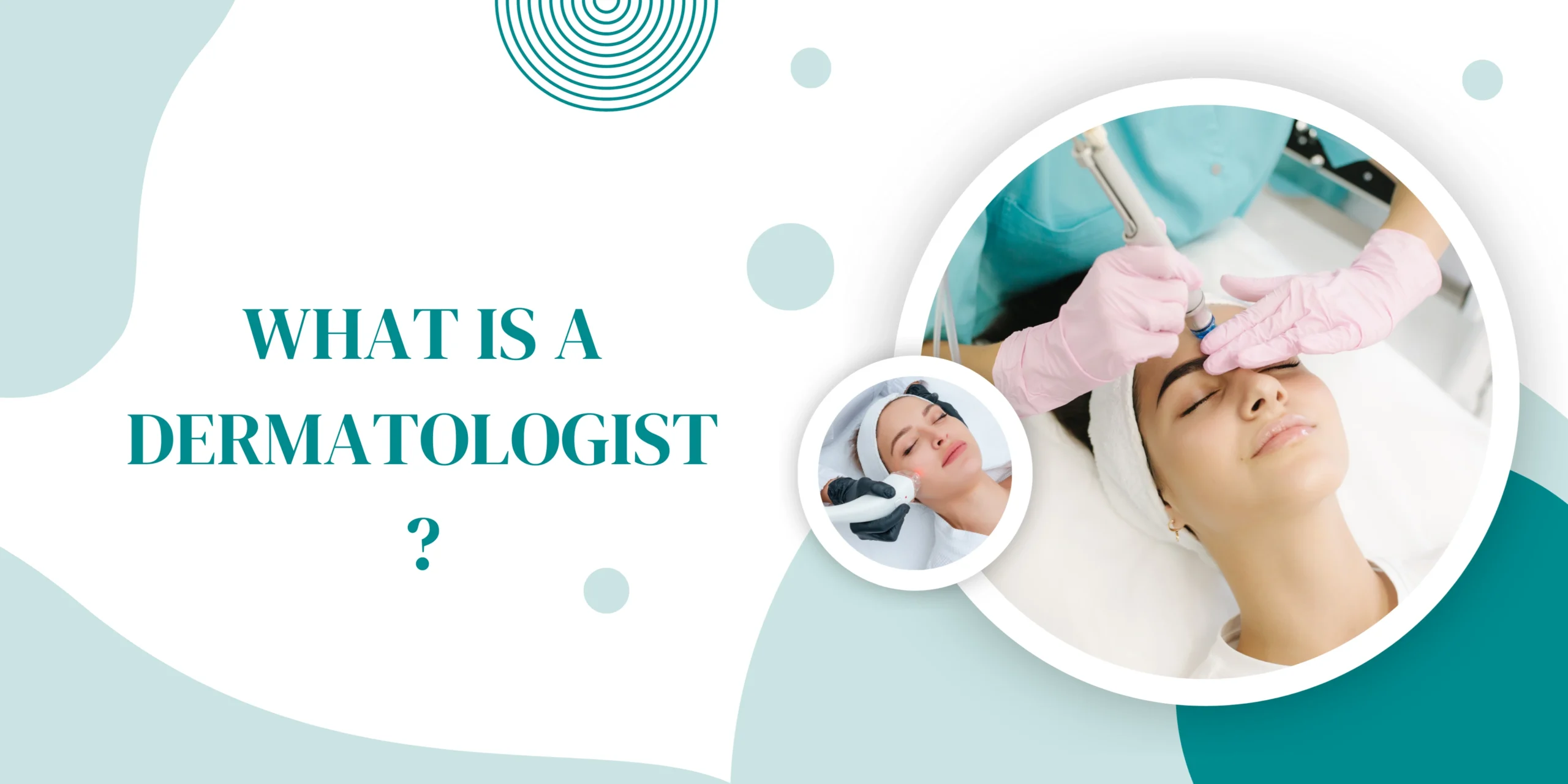
A dermatologist is a health care provider that deals with the diagnosis, treatment, and prevention of skin, hair, and nail diseases. They are brought up to treat a variety of conditions, including the usual problems of acne, eczema, and psoriasis as well as more serious problems such as skin cancer and autoimmune diseases of the skin. The dermatologists also carry out cosmetic surgeries, such as Botox injections, chemical peels, and laser surgeries, to enhance the appearance of the skin. They are both in general practice and specialized clinics.
What does a dermatologist do?
A dermatologist performs various tasks related to the health and care of the skin, hair, and nails. Here are the key functions of a dermatologist:
1. Diagnosing Skin Conditions
Dermatologists evaluate and diagnose a wide range of skin, hair, and nail conditions, including:
- Acne
- Eczema
- Psoriasis
- Rosacea
- Skin infections (e.g., fungal or bacterial)
- Skin rashes and allergies
- Birthmarks and moles
- Scalp conditions (e.g., dandruff, hair loss)
2. Treating Skin Disorders
Dermatologists provide treatments for various conditions, such as:
- Prescribing topical or oral medications
- Treating acne with medications, topical treatments, or light therapy
- Managing chronic conditions like psoriasis and eczema
- Treating fungal or bacterial infections with medications
- Offering cryotherapy (freezing) for warts, precancerous cells, and other lesions
3. Performing Procedures
Dermatologists are trained in various medical and cosmetic procedures, including:
- Skin Biopsies: Removing a sample of skin for testing, often to diagnose skin cancer or other diseases.
- Mohs Surgery: A precise surgical technique for removing skin cancer with minimal healthy tissue removal.
- Laser Therapy: Treating scars, birthmarks, and other skin imperfections.
- Chemical Peels: Improving skin texture and appearance by removing damaged layers.
- Botox and Fillers: Non-surgical treatments to reduce wrinkles and enhance facial appearance.
4. Preventing and Managing Skin Cancer
Dermatologists perform regular skin checks to detect skin cancer early. They may remove suspicious moles or lesions and provide guidance on sun protection to reduce the risk of skin cancer.
5. Cosmetic Dermatology
In addition to treating medical skin conditions, dermatologists may offer cosmetic treatments to enhance the appearance of the skin, such as:
- Botox injections to reduce wrinkles
- Dermal fillers to restore volume and smooth wrinkles
- Laser treatments to reduce scars, age spots, or pigmentation issues
6. Educating Patients
Dermatologists provide education on skincare, prevention, and treatment options, advising on topics like:
- Proper skincare routines
- Sun protection and avoiding tanning beds
- Identifying signs of skin cancer or other skin conditions early
Overall, dermatologists play a critical role in maintaining skin health, diagnosing and treating disorders, and offering solutions for cosmetic improvements.
What training does a dermatologist have?
Becoming a dermatologist requires extensive education and training. Here’s an overview of the typical pathway:
1. Undergraduate Education (4 years)
- Degree: A bachelor’s degree in a related field, such as biology, chemistry, or health sciences, is typically required before entering medical school.
- Pre-Medical Courses: Students complete coursework in biology, chemistry, physics, and other sciences during their undergraduate years.
2. Medical School (4 years)
- Degree: After completing a bachelor’s degree, aspiring dermatologists attend medical school to earn a Doctor of Medicine (MD) or Doctor of Osteopathic Medicine (DO) degree.
- Curriculum: The first two years of medical school focus on foundational medical sciences (anatomy, biochemistry, pharmacology), while the last two years involve clinical rotations where students gain hands-on experience in different medical specialties, including dermatology.
3. Dermatology Residency (4 years)
- After graduating from medical school, aspiring dermatologists must complete a dermatology residency program, which typically lasts four years.
- Clinical Training: During residency, doctors receive extensive training in diagnosing and treating skin, hair, and nail disorders. They gain experience in both medical and surgical dermatology, including procedures like skin biopsies, excisions, and Mohs surgery.
- Specialized Training: In addition to general dermatology, residents may get exposure to subspecialties such as pediatric dermatology, dermatopathology, and cosmetic dermatology.
4. Board Certification (Optional but Common)
- After completing their residency, dermatologists often choose to become board-certified by the American Board of Dermatology (ABD) or equivalent in other countries.
- Certification Exam: This involves passing a rigorous written and practical exam to demonstrate their knowledge and expertise in dermatology.
5. Fellowships (Optional)
- Some dermatologists pursue additional specialized training through fellowships after residency. Fellowships offer advanced training in specific areas such as:
- Dermatopathology: Focusing on diagnosing skin diseases at a cellular level through lab analysis.
- Pediatric Dermatology: Specializing in treating skin conditions in children.
- Cosmetic Dermatology: Focusing on non-surgical aesthetic procedures like Botox, fillers, and laser treatments.
- Mohs Surgery: Training in a highly precise method for treating skin cancer.
- Dermatopathology: Focusing on diagnosing skin diseases at a cellular level through lab analysis.
6. Continuing Education
- Dermatologists are required to participate in continuing medical education (CME) to keep up with advancements in the field and maintain board certification. This ensures they stay updated on the latest treatment methods, technologies, and best practices.
What is a board-certified dermatologist?
A board-certified dermatologist is a dermatologist who has completed the required education, training, and passed a rigorous examination to earn certification from a recognized medical board, such as the American Board of Dermatology (ABD). This certification demonstrates that the dermatologist has met high standards of knowledge, skill, and expertise in the field of dermatology.
To become board-certified, a dermatologist must:
- Complete medical school and a dermatology residency.
- Pass a comprehensive written and oral exam that tests their knowledge in both medical and surgical dermatology.
- Meet ongoing continuing education requirements to maintain certification.
Board certification ensures patients that the dermatologist is highly qualified and stays current with advancements in dermatology.
Do dermatologists have specialties?
Yes, dermatologists can specialize in various areas of dermatology. Some of the key specialties include:
1. Dermatopathology
- Focuses on the microscopic examination of skin biopsies to diagnose skin diseases, including skin cancers.
2. Pediatric Dermatology
- Specializes in treating skin conditions in children, including congenital skin disorders and conditions like eczema or warts in young patients.
3. Cosmetic Dermatology
- Focuses on enhancing the appearance of the skin through procedures like Botox, dermal fillers, laser treatments, chemical peels, and treatments for acne scars or pigmentation.
4. Mohs Surgery
- Specializes in the precise removal of skin cancers, particularly basal cell and squamous cell carcinomas, using a technique that preserves as much healthy skin as possible.
5. Immunodermatology
- Deals with skin diseases caused by immune system disorders, such as autoimmune diseases (e.g., lupus or psoriasis).
6. Teledermatology
- Involves providing dermatology consultations remotely through digital images and communication, allowing for accessible care in underserved areas.
7. Venerology
- Focuses on sexually transmitted skin diseases, including conditions like syphilis, genital warts, and other infections.
These specialties allow dermatologists to focus on specific aspects of skin health and provide targeted treatments in their area of expertise.