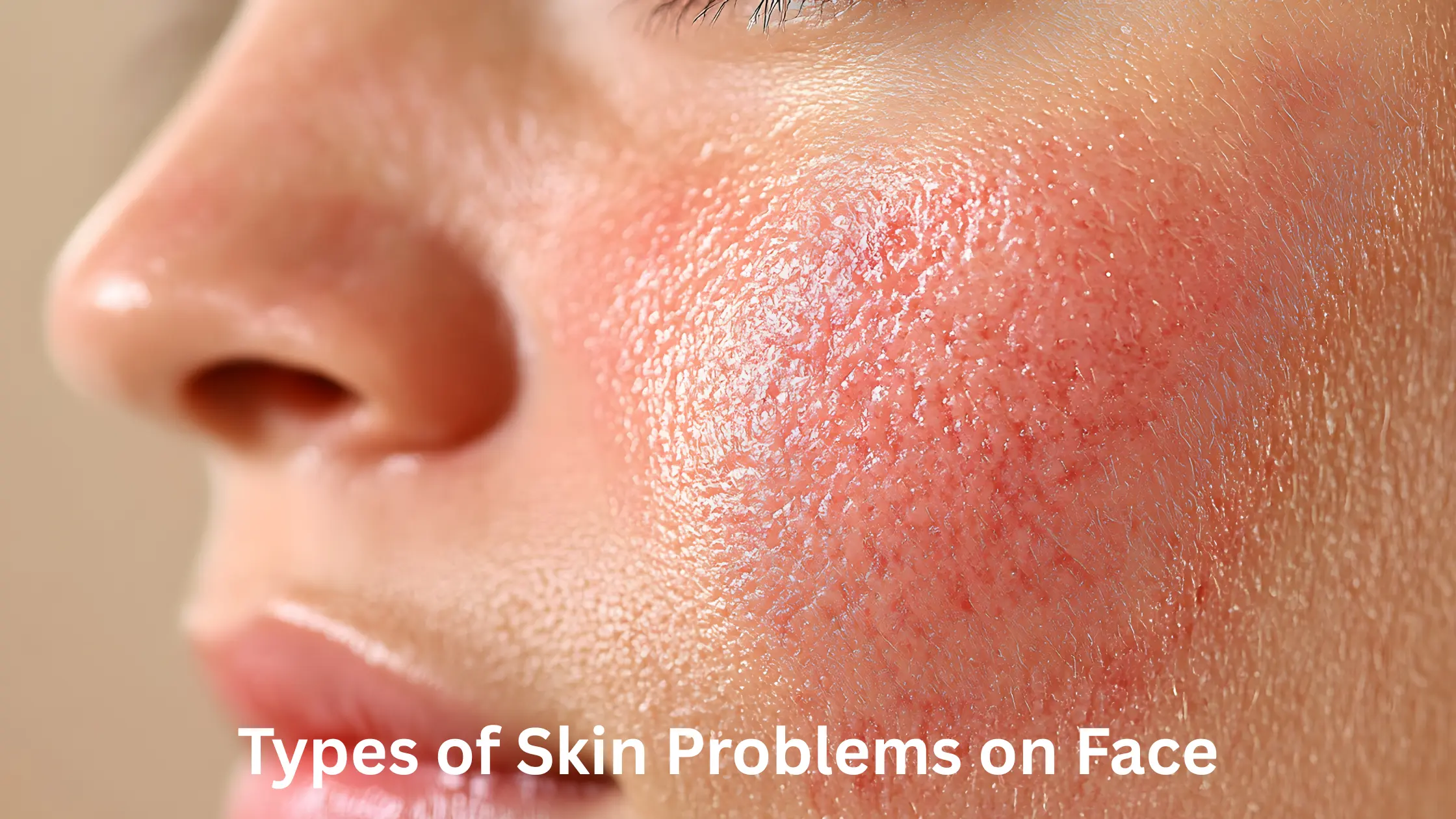
Your face is one of the most exposed parts of your body, making it more vulnerable to a variety of skin issues. From acne and rosacea to eczema and hyperpigmentation, facial skin problems can affect anyone—regardless of age, gender, or skin type. These conditions can cause physical discomfort, emotional distress, and even impact self-confidence. Understanding their causes, symptoms, and management is the first step toward achieving and maintaining healthy, radiant skin.
1. Acne
Acne is one of the most prevalent facial skin conditions worldwide. It occurs when hair follicles become clogged with oil (sebum), dead skin cells, and bacteria. This leads to the formation of blackheads, whiteheads, pimples, cysts, or nodules.
Common Causes:
- Hormonal fluctuations (especially during puberty, menstruation, or pregnancy)
- Excess oil production
- Poor skincare habits or use of comedogenic products
- High-stress levels
- Certain medications or diet
Treatment Options:
Mild acne can often be managed with over-the-counter (OTC) cleansers containing salicylic acid or benzoyl peroxide. For more severe cases, dermatologists may prescribe topical retinoids, antibiotics, or hormonal therapy. Maintaining a consistent skincare routine and avoiding excessive touching of the face are also essential.
2. Rosacea
Rosacea is a chronic inflammatory skin condition that typically affects the central part of the face, such as the cheeks, nose, chin, and forehead. It is characterized by persistent redness, visible blood vessels, and sometimes pimple-like bumps.
Common Triggers:
- Sun exposure
- Hot or spicy foods
- Alcohol or caffeine
- Extreme temperatures
- Stress
Management and Care:
Rosacea cannot be completely cured, but its symptoms can be controlled. Dermatologists often recommend topical metronidazole, azelaic acid, or oral antibiotics. Patients are advised to use gentle, fragrance-free skincare products and broad-spectrum sunscreen daily to reduce flare-ups.
3. Eczema (Atopic Dermatitis)
Eczema is a chronic, itchy, and inflammatory skin disorder that can affect both children and adults. On the face, it may appear as red, dry, and flaky patches, which can become thickened and cracked over time.
Common Causes:
- Genetic predisposition
- Environmental irritants (soaps, detergents, fragrances)
- Allergies or immune system dysfunction
- Weather changes
Treatment:
The main goals of eczema treatment are to moisturize the skin, reduce inflammation, and prevent flare-ups. Regular application of emollients (moisturizers), topical corticosteroids, and antihistamines (for itching) are common approaches. Avoiding triggers such as harsh cleansers and allergens is equally important.
4. Hyperpigmentation
Hyperpigmentation refers to the darkening of certain areas of the skin due to excess melanin production. It can appear as freckles, dark spots, or patches, and is often caused by sun exposure, inflammation, or hormonal changes.
Common Types of Hyperpigmentation:
a. Melasma
Melasma presents as symmetrical brown or grayish-brown patches on the cheeks, forehead, or upper lip. It is commonly triggered by sunlight and hormonal fluctuations (such as during pregnancy or while taking oral contraceptives).
b. Post-Inflammatory Hyperpigmentation (PIH)
PIH occurs after an injury, acne, or inflammation heals, leaving behind dark spots.
Treatment Options:
- Topical agents like hydroquinone, kojic acid, or vitamin C
- Chemical peels or laser therapy under dermatological supervision
- Daily sun protection using SPF 30+ sunscreen
5. Hives (Urticaria)
Hives are raised, itchy welts that can appear suddenly on the face or body. They are often triggered by allergic reactions, insect bites, certain foods, or medications.
Treatment:
Most hives resolve on their own, but persistent cases may require antihistamines or steroid creams. Identifying and avoiding the trigger is key to prevention.
6. Warts
Facial warts are small, rough bumps caused by the human papillomavirus (HPV). They are contagious and can spread through direct contact.
Treatment:
Warts can be treated with cryotherapy (freezing), topical acids, or laser removal. Avoid picking at warts to prevent spreading.
7. Sunburn
Excessive exposure to UV radiation can lead to sunburn, resulting in redness, pain, and sometimes blistering. Repeated sunburns accelerate skin aging and increase the risk of skin cancer.
Prevention & Treatment:
- Apply broad-spectrum sunscreen (SPF 30 or higher) daily
- Wear hats or seek shade during peak sunlight hours
- Soothe affected skin with aloe vera or cool compresses
8. Psoriasis
Psoriasis is an autoimmune skin condition where skin cells grow faster than normal, leading to thick, scaly, and red patches. Facial psoriasis often affects the hairline, forehead, or areas around the nose.
Treatment:
Options include topical corticosteroids, vitamin D analogs, light therapy, or systemic medications prescribed by a dermatologist.
9. Vitiligo
Vitiligo causes loss of skin pigment, resulting in white or lighter patches on the face and body. The exact cause is unknown but is believed to involve autoimmune or genetic factors.
Treatment:
Treatment focuses on improving skin appearance using topical corticosteroids, light therapy, or skin camouflage makeup.
10. Cold Sores
Cold sores, also known as fever blisters, are caused by the herpes simplex virus (HSV-1). They typically appear around the lips and cause burning, itching, and blisters.
Treatment:
Antiviral creams or oral medications can help reduce healing time and frequency of outbreaks. Avoid sharing personal items and protect your lips from sun exposure.
Other Common Facial Skin Issues
Skin Infections
Bacterial, viral, or fungal infections can cause redness, swelling, and discomfort. Proper hygiene and early medical treatment are vital.
Contact Dermatitis
This occurs when the skin reacts to an irritant or allergen, resulting in redness, itching, and sometimes blistering. Identifying and avoiding the trigger is essential.
Skin Cancer
Uncontrolled growth of abnormal skin cells due to prolonged UV exposure can lead to skin cancer. Any changing or irregular mole should be evaluated by a dermatologist immediately.
Tips for Maintaining Healthy Facial Skin
- Cleanse gently twice a day using a mild, pH-balanced cleanser.
- Moisturize daily to prevent dryness and irritation.
- Use sunscreen every day, even in cloudy weather.
- Eat a balanced diet rich in antioxidants, vitamins, and minerals.
- Avoid smoking and limit alcohol intake.
- Stay hydrated and get enough sleep.
FAQs
Q1: How can I tell what kind of facial skin problem I have?
A1: Because many skin conditions share similar symptoms—such as redness, itching, or bumps—it’s best to consult a dermatologist for a proper diagnosis. A doctor may perform a physical exam, allergy test, or skin biopsy to identify the underlying issue and recommend targeted treatment.
Q2: Can I treat facial skin problems at home?
A2: Mild conditions like acne or sunburn can often be managed with OTC treatments and home remedies. However, persistent, painful, or worsening symptoms should always be evaluated by a professional.
Q3: What is the most important step in preventing facial skin problems?
A3: Sun protection is crucial. Regular use of sunscreen helps prevent sunburn, hyperpigmentation, premature aging, and even skin cancer.
Conclusion
Facial skin problems are incredibly common, but with the right care, lifestyle adjustments, and professional guidance, they can be effectively managed or prevented. Whether you’re dealing with acne breakouts, redness, or discoloration, understanding your skin type and triggers is key to keeping your complexion clear, balanced, and healthy.