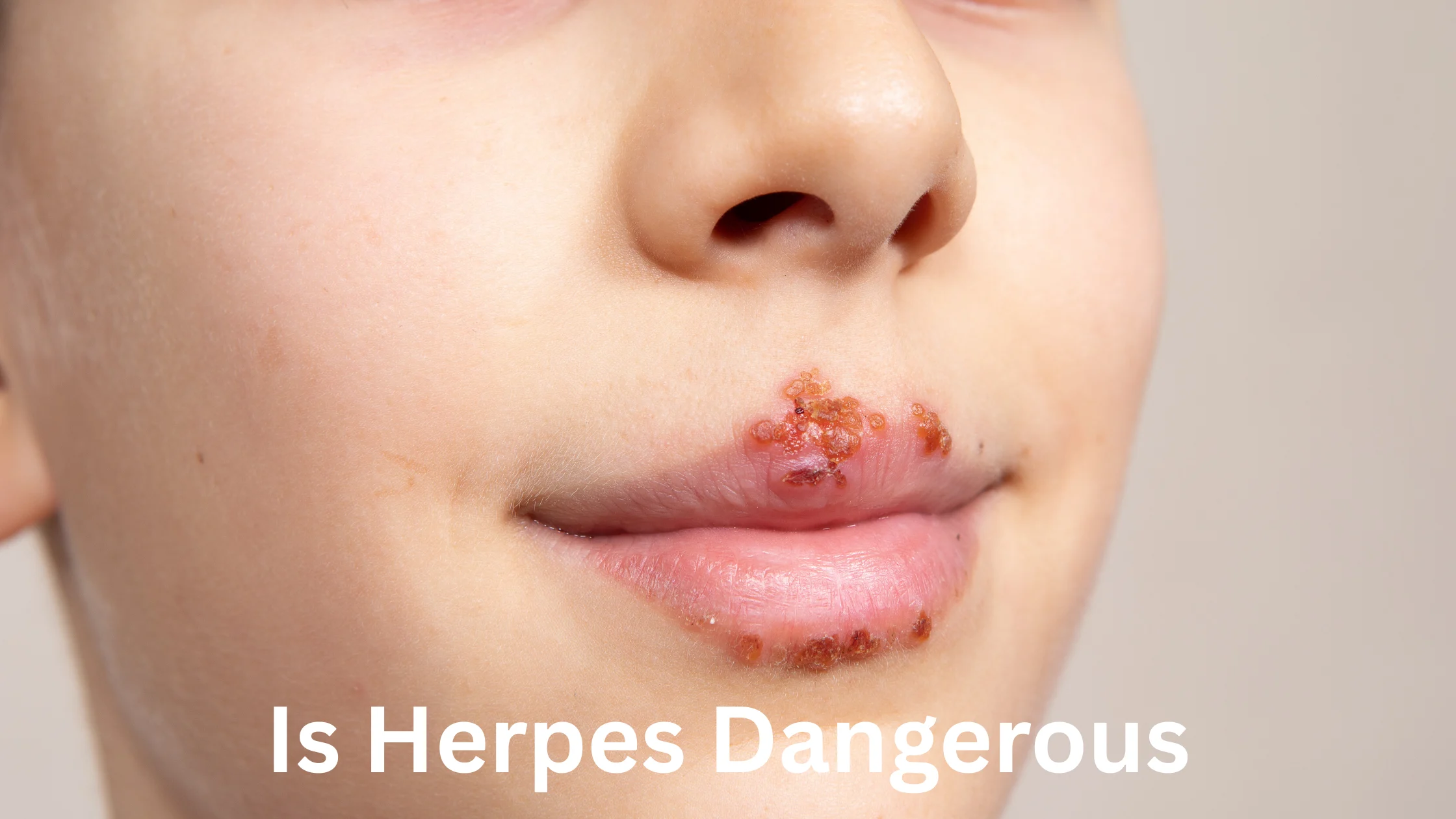
While herpes is often thought of as a mild and manageable condition, it can, in certain cases, lead to severe and even life-threatening complications. The herpes simplex virus (HSV) is widespread — affecting billions of people globally — but its potential dangers are often misunderstood or underestimated.
This article explores the serious complications herpes can cause, especially in newborns, people with weakened immune systems, and in rare cases, the brain or eyes. Understanding these risks is essential for prevention, early detection, and proper treatment.
What Is Herpes?
Herpes is caused by two types of herpes simplex virus:
- HSV-1: Typically causes oral herpes (cold sores around the mouth), but can also cause genital herpes.
- HSV-2: Primarily causes genital herpes.
Both types are lifelong infections that remain dormant in the body and can reactivate periodically, leading to recurrent outbreaks. While many people experience mild or no symptoms, complications can arise when the virus spreads beyond its typical locations.
Dangers of Herpes
1. Herpes in Newborns (Neonatal Herpes)
Neonatal herpes is one of the most serious complications of HSV infection. It occurs when a baby is exposed to HSV during childbirth, particularly if the mother has an active outbreak.
- Life-threatening disease: Without treatment, the mortality rate for disseminated neonatal herpes can reach up to 85%.
- Severe neurological damage: Babies who survive may suffer from permanent neurological disabilities such as cerebral palsy, developmental delays, or intellectual disabilities.
- Long-term consequences: Neonatal herpes can also lead to blindness, seizures, or other lifelong health problems.
Prevention tip: Pregnant women with herpes should discuss their condition with their healthcare provider. Antiviral medication and delivery planning (such as a cesarean section during an outbreak) can greatly reduce transmission risk.
2. Herpes in People with Weakened Immune Systems
Individuals with compromised immune systems — such as those with HIV/AIDS, cancer, or undergoing organ transplants — are at greater risk of severe HSV infections.
- Widespread infection: The virus can spread beyond the skin and mucous membranes, causing systemic infections that may be life-threatening.
- Organ involvement: HSV can infect internal organs such as the lungs (pneumonia), liver (hepatitis), and esophagus (esophagitis), leading to serious illness.
Management: People with weakened immunity should seek medical care immediately if they suspect a herpes outbreak. Early antiviral treatment can prevent complications.
3. Herpes and the Brain or Spinal Cord
Although rare, herpes can invade the central nervous system (CNS) and cause serious neurological conditions.
- Herpes meningitis: Inflammation of the membranes surrounding the brain and spinal cord, leading to headaches, fever, and neck stiffness.
- Herpes encephalitis: A dangerous brain infection that can cause confusion, seizures, and permanent brain damage — or even death if untreated.
4. Herpes and the Eyes
Herpes infections can also affect the eyes, leading to a condition known as herpes keratitis.
- Herpes keratitis: Causes redness, pain, and corneal ulcers. It is a leading cause of blindness from infection in the U.S.
- Retinal infection: In severe cases, herpes can damage the retina, resulting in acute retinal necrosis, a rapid and potentially blinding condition.
Tip: Anyone with eye redness, pain, or blurred vision and a history of herpes should seek immediate medical attention from an eye specialist.
5. Other Potential Risks
- Higher risk of HIV: Open sores from genital herpes can make it easier for HIV to enter the body, significantly increasing the risk of HIV infection.
- Herpetic whitlow: HSV can infect the fingers, causing painful blisters — often seen in healthcare workers or individuals who touch cold sores or genital lesions.
When to Seek Medical Care
While most herpes infections are mild, seek medical help immediately if you experience:
- Active herpes sores during pregnancy
- Weakened immune function (HIV, cancer, or immunosuppressive therapy)
- Sores near the eyes
- Signs of spreading infection: pus, fever, or expanding redness
- Symptoms suggesting CNS infection: fever, confusion, stiff neck, or seizures
Early diagnosis and antiviral therapy can prevent severe complications and improve outcomes.
Conclusion
For most healthy adults, herpes is a manageable infection. However, it’s crucial to recognize that HSV can sometimes lead to life-threatening complications — particularly in newborns, people with weakened immune systems, or when the virus spreads to the eyes or brain.
By understanding the risks, practicing safe behaviors, and seeking medical care when necessary, individuals can manage herpes effectively and protect themselves and others from its serious consequences.
FAQs
Q1. Can herpes be cured?
A1. No, herpes cannot be cured. However, antiviral medications can control outbreaks, reduce symptoms, and lower transmission risk.
Q2. How is herpes transmitted?
A2. Herpes spreads through direct contact with infected skin, saliva, genital fluids, or sores. It can also spread even when no visible sores are present (asymptomatic shedding).
Q3. Can I get herpes from sharing utensils or towels?
A3. Transmission through objects is rare. HSV doesn’t survive long outside the body, but sharing lip balm, razors, or towels during an active outbreak can pose some risk.
Q4. What are the first signs of a herpes outbreak?
A4. Common early symptoms include itching, tingling, or burning in the affected area, followed by blisters or sores.
Q5. Can I pass herpes to my baby during pregnancy?
A5. Yes, especially during childbirth if you have an active outbreak. Inform your doctor early— preventive antivirals and delivery planning can greatly reduce the risk.
Q6. How dangerous is herpes encephalitis?
A6. Herpes encephalitis is a medical emergency with high mortality if untreated. Prompt antiviral treatment can save lives and reduce the risk of brain damage.
Q7. How can I prevent herpes transmission to my partner?
A7. Use condoms or dental dams, take daily antiviral medication if prescribed, and avoid sexual contact during outbreaks.
Q8. Can stress trigger herpes outbreaks?
A8. Yes, physical or emotional stress, illness, fatigue, and hormonal changes can reactivate the virus and trigger outbreaks.
Q9. Is herpes more serious for people with HIV?
A9. Yes. HSV can cause more severe and longer-lasting outbreaks in individuals with weakened immune systems, and co-infection increases HIV transmission risk.
Q10. When should I see a doctor for herpes?
A10. See a healthcare provider if outbreaks are frequent, severe, or spreading; if you are pregnant; or if you experience neurological symptoms or eye involvement.