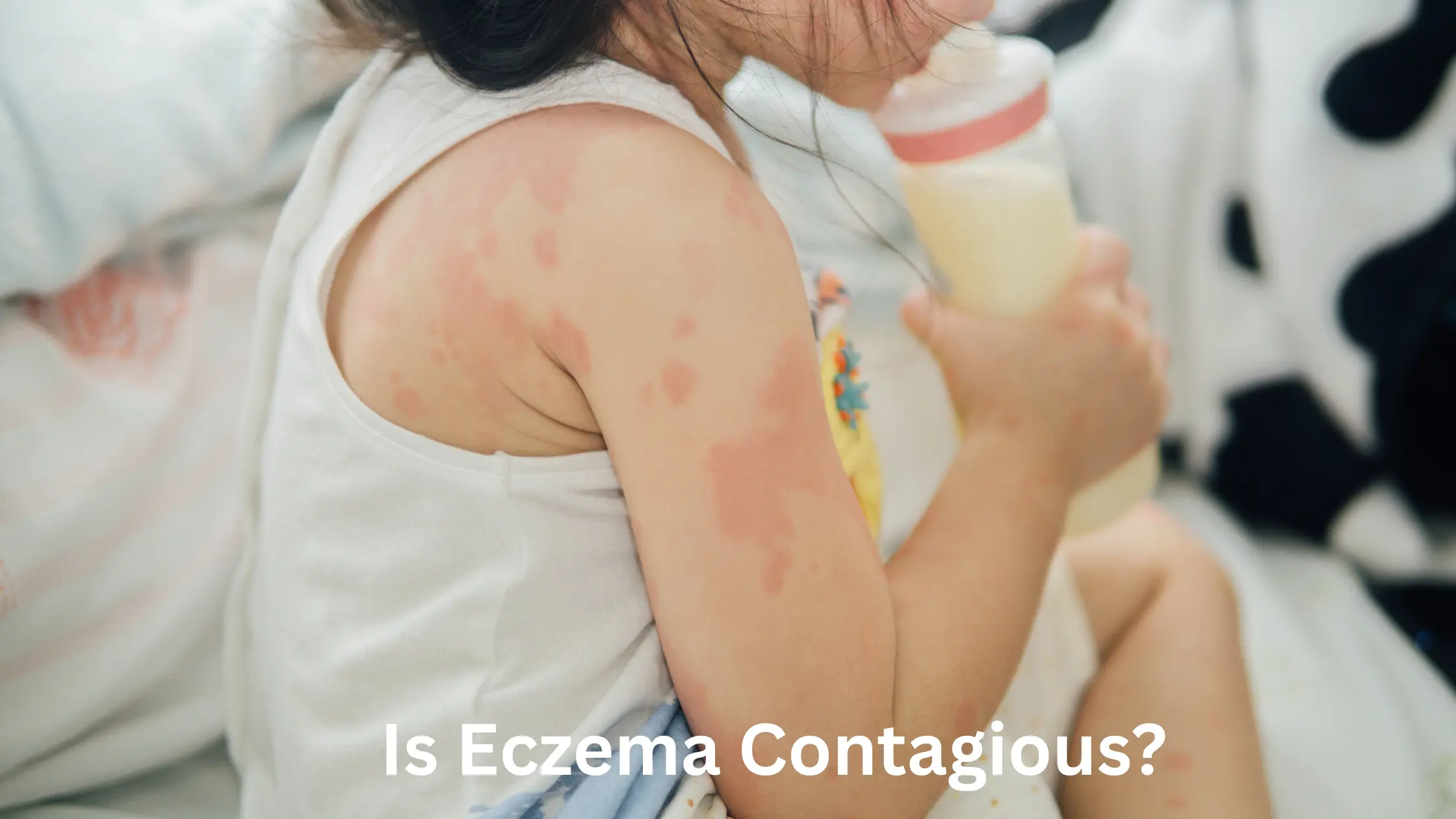
Eczema, also known as atopic dermatitis, is a chronic inflammatory skin condition that affects millions of people around the world. It often begins in childhood but can persist into adulthood or even appear later in life. While eczema can be uncomfortable, itchy, and sometimes distressing, it is not contagious—you cannot catch it from someone else or pass it on through physical contact. Understanding what eczema is, what triggers it, and how to manage it can make a huge difference in maintaining skin health and quality of life.
What Is Eczema?
Eczema is a chronic skin disorder that causes the skin to become dry, itchy, red, and inflamed. In severe cases, it can crack, ooze, or even become infected. The condition tends to flare up periodically, often triggered by environmental or emotional factors.
The most common type is atopic dermatitis, but there are several forms of eczema, including:
- Contact dermatitis: Triggered by direct contact with irritants or allergens.
- Nummular eczema: Characterized by round, coin-shaped spots on the skin.
- Dyshidrotic eczema: Causes small blisters on the hands and feet.
- Seborrheic dermatitis: Often appears on oily areas like the scalp, face, and upper chest.
Regardless of the type, all forms of eczema share one thing in common: inflammation of the skin barrier that leads to dryness, irritation, and itching.
Is Eczema Contagious?
No—eczema is not contagious. You cannot “catch” eczema from someone who has it, nor can you transmit it through touch, kissing, or sharing everyday items. Eczema is an internal condition influenced by genetics and the immune system rather than by bacteria or viruses.
However, it’s important to note that eczema-prone skin is more vulnerable to infections. When the skin barrier is broken due to scratching or dryness, bacteria such as Staphylococcus aureus can enter and cause infection. If an eczema rash becomes infected, it might ooze, crust, or spread more quickly. In that case, you should avoid sharing towels, bedding, or clothing until the infection is treated and cleared.
What Causes Eczema?
Eczema is believed to result from a combination of genetic, immune, and environmental factors. People with eczema often have an overactive immune system that responds strongly to triggers, leading to inflammation.
Some common causes and risk factors include:
- Genetics: Eczema often runs in families, especially in those with a history of asthma, hay fever, or other allergies.
- Immune system dysfunction: The immune system reacts to normally harmless substances, causing inflammation and itching.
- Defective skin barrier: People with eczema tend to have a weaker skin barrier, leading to moisture loss and increased sensitivity to irritants.
- Environmental triggers: Harsh soaps, detergents, weather changes, and allergens can cause flare-ups.
- Stress: Emotional stress doesn’t cause eczema but can worsen symptoms.
- Hormones: Fluctuations in hormones, such as during pregnancy or menstruation, can influence eczema severity.
Common Triggers of Eczema Flare-Ups
Understanding and avoiding your triggers can significantly reduce flare-ups. Some of the most common eczema triggers include:
- Soaps and detergents with strong fragrances or chemicals.
- Certain fabrics, like wool or synthetic materials.
- Extreme temperatures—both heat and cold can aggravate symptoms.
- Pet dander and dust mites.
- Certain foods, such as eggs, dairy, nuts, or soy (especially in children).
- Sweating and humidity.
- Stress and lack of sleep.
Keeping a journal to track flare-ups and possible triggers can help identify patterns and support better management.
Symptoms of Eczema
The symptoms of eczema can vary from person to person, but common signs include:
- Dry, sensitive skin
- Red or brownish-gray patches
- Intense itching, especially at night
- Thickened, scaly, or cracked skin
- Small raised bumps that may ooze when scratched
In infants, eczema often appears on the cheeks, scalp, and limbs. In adults, it tends to affect areas such as the hands, feet, neck, and inside the elbows or knees.
How to Manage and Treat Eczema
While there is currently no cure for eczema, effective management can control symptoms and reduce flare-ups. The key is to protect the skin barrier and minimize inflammation.
Here are some strategies for managing eczema:
1. Keep Skin Moisturized
Use fragrance-free, hypoallergenic moisturizers or emollients daily—even when your skin appears normal. Thick creams or ointments, such as petroleum jelly, work best for sealing in moisture.
2. Use Gentle Cleansers
Avoid harsh soaps or body washes that strip the skin of natural oils. Instead, use mild, non-foaming cleansers.
3. Identify and Avoid Triggers
Pay attention to what causes your flare-ups and try to eliminate or minimize exposure to those triggers.
4. Take Lukewarm Baths
Hot water can dry out the skin and worsen irritation. Use lukewarm water and limit baths or showers to about 10 minutes.
5. Medications and Treatments
Doctors may prescribe topical corticosteroids, calcineurin inhibitors, or antihistamines to relieve inflammation and itching. In severe cases, immunosuppressant drugs or biologic therapies may be recommended.
6. Manage Stress
Since stress can trigger or worsen eczema, relaxation techniques like meditation, yoga, or deep breathing can be beneficial.
7. Treat Infections Promptly
If you notice signs of infection—such as oozing, pain, or yellow crusts—consult your doctor promptly for antibiotics or antiviral treatment.
Living with Eczema
Living with eczema can be challenging, especially during flare-ups that affect confidence and comfort. However, with proper care and management, most people can lead normal, active lives. Regular visits to a dermatologist, maintaining a good skincare routine, and being aware of your triggers can make a world of difference.
Eczema may not always be preventable, but you can control how it affects your life. The goal is to soothe the skin, prevent infections, and maintain long-term control through consistent care.
Conclusion
Eczema may be a lifelong condition for some, but with the right knowledge and care, it can be successfully managed. The key is to protect your skin, avoid triggers, and seek professional help when needed. Remember—eczema is not contagious, and with proper attention and treatment, you can keep your skin healthy, comfortable, and confident.
FAQs
Q1. Can I catch eczema from someone else?
A1. No. Eczema is not contagious and cannot be passed through touch, sharing towels, or close contact.
Q2. Is eczema caused by poor hygiene?
A2. Not at all. Eczema is linked to genetics and immune responses, not cleanliness or hygiene.
Q3. Can eczema go away completely?
A3. Some people, especially children, may outgrow eczema, but for many, it remains a chronic condition managed over time.
Q4. Can stress cause eczema?
A4. Stress doesn’t cause eczema, but it can trigger flare-ups or make symptoms worse.
Q5. Are there specific foods that cause eczema?
A5. Certain foods can trigger flare-ups in some people—common culprits include dairy, nuts, soy, and eggs. It varies from person to person.
Q6. What should I do to avoid putting on eczema-prone skin?
A6. Avoid harsh soaps, scented lotions, and alcohol-based products. Stick to mild, fragrance-free moisturizers.
Q7. Can eczema become infected?
A7. Yes. Scratching can break the skin, allowing bacteria to enter and cause infection. Signs include oozing, yellow crusts, and increased redness.
Q8. Is there a cure for eczema?
A8. There is no permanent cure, but effective treatments can control symptoms and prevent flare-ups.
Q9. Can weather affect eczema?
A9. Yes. Cold, dry air can make eczema worse, while heat and humidity can also trigger irritation and sweating.
Q10. Should I see a doctor for eczema?
A10. Yes, especially if symptoms are severe, persistent, or showing signs of infection. A dermatologist can help develop a personalized treatment plan.