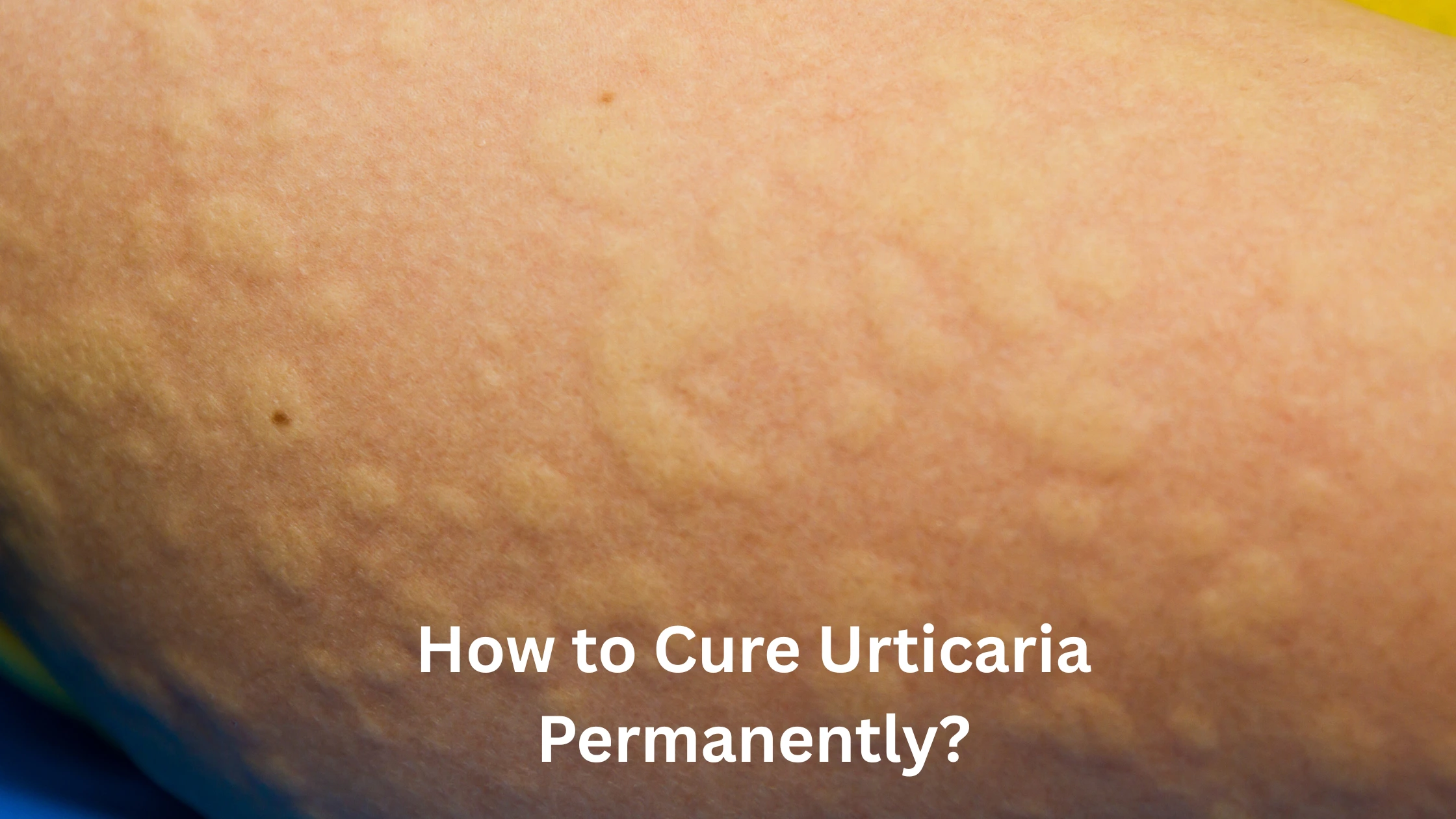
Urticaria, more commonly known as hives, is a distressing skin condition that causes itchy, red, raised welts on the skin. These welts can vary in size, appear anywhere on the body, and sometimes even change shape or move around. For many people, hives are short-lived and manageable. But for others—especially those dealing with chronic urticaria—it can be an ongoing battle that disrupts sleep, work, and overall quality of life.
The big question many ask is: “How can I cure urticaria permanently?” The answer is not always simple. While there is no universal permanent cure that applies to all cases, many people do find complete or long-term relief by combining medical treatments with lifestyle adjustments and self-care.
This blog explores the truth behind urticaria, its causes, how it can be managed effectively, and whether permanent relief is truly possible.
What is Urticaria?
Urticaria is a skin reaction that occurs when the body releases histamine and other chemicals in response to a trigger. These chemicals cause fluid to leak from blood vessels into the skin, resulting in raised, itchy welts or hives.
Urticaria is categorized into two major types:
- Acute Urticaria: Hives that last less than 6 weeks. Often caused by allergic reactions to food, infections, insect bites, or medications.
- Chronic Urticaria (CU): Hives that persist or recur for more than 6 weeks. Sometimes no clear trigger is found, which makes chronic urticaria more challenging to treat.
In some cases, urticaria can also be physical in nature—triggered by external stimuli such as pressure, cold, heat, exercise, or sunlight.
What Causes Urticaria?
The exact cause of urticaria can vary widely from person to person. Some common causes and triggers include:
- Allergens (such as certain foods, pollen, pet dander)
- Infections (viral or bacterial)
- Medications (pain relievers, antibiotics, etc.)
- Stress and anxiety
- Hormonal changes
- Physical triggers like heat, cold, sunlight, or pressure
- Autoimmune disorders
Chronic urticaria is sometimes linked to an overactive immune system, where the body mistakenly attacks its own tissues, causing inflammation and hives without an external trigger.
Is There a Permanent Cure for Urticaria?
The idea of a permanent cure depends heavily on the type and cause of urticaria:
- For acute urticaria, identifying and removing the trigger usually leads to a full recovery within days or weeks. In these cases, a permanent cure is very likely.
- For chronic urticaria, it’s more complicated. There is no single cure, especially if the exact cause is unknown. However, many people enter remission, where symptoms disappear for months or even years.
The key is consistent management, which involves a combination of medical guidance, lifestyle changes, and self-monitoring.
Medical Management of Urticaria
Proper diagnosis and medical treatment are essential, especially if the condition is persistent or severe. Doctors usually approach urticaria treatment in steps, based on how the patient responds.
1. Antihistamines: These are the first steps in controlling symptoms. They help block the action of histamine—the chemical responsible for itching and swelling. Often, adjusting dosage and timing can improve effectiveness.
2. Short-Term Anti-Inflammatory Treatment: For severe flare-ups, short-term anti-inflammatory medications may be used. These are not recommended for long-term use due to potential side effects, but they can provide quick relief when symptoms are overwhelming.
3. Immune Modulators: In cases where symptoms don’t respond to standard treatment, a doctor may recommend therapies that suppress or regulate immune responses. These are particularly useful in autoimmune-related chronic urticaria.
4. Targeted Biological Therapies: These are newer options that focus on specific pathways in the immune system. They’re typically used when traditional treatments fail and may help patients who have long-standing chronic urticaria find relief.
5. Desensitization Therapy: For urticaria related to specific allergies, a doctor may suggest allergen immunotherapy. This involves gradually exposing the body to the allergen to reduce sensitivity over time.
Always consult with a healthcare professional before starting or adjusting any treatment plan.
Lifestyle and Home Remedies for Long-Term Relief
Managing urticaria isn’t just about medications. Long-term success often depends on making intentional lifestyle changes and learning how to soothe your skin naturally.
1. Identify and Avoid Triggers: This is perhaps the most important step in managing urticaria. Triggers can vary, but common ones include:
- Spicy or processed foods
- Certain fruits and nuts
- Extreme temperatures
- Emotional stress
- Alcohol or caffeine
- Latex, detergents, or fragrances
Keep a “hives journal” to track what you eat, your activities, and environmental factors when outbreaks occur. Over time, patterns may emerge.
2. Cool the Skin: Cold compresses or cool baths (especially oatmeal or baking soda baths) can calm the skin and reduce itching.
3. Moisturize Regularly: Use fragrance-free, hypoallergenic moisturizers to protect the skin barrier. Dry or irritated skin can increase flare-ups.
4. Wear Comfortable Clothing: Loose-fitting clothes made from natural fibers like cotton reduce friction and let your skin breathe. Avoid tight or scratchy fabrics.
5. Manage Stress: Stress doesn’t cause urticaria directly but often triggers or worsens symptoms. Practice relaxation techniques like:
- Meditation or deep breathing
- Gentle yoga or tai chi
- Adequate sleep and rest
- Reducing work or emotional stress
When to See a Doctor
You should seek medical help if:
- Hives persist beyond a week or recur frequently
- Over-the-counter remedies provide no relief
- Symptoms interfere with sleep or daily activities
- You experience swelling around the lips, face, or throat
- Breathing difficulties or dizziness occur (seek emergency help)
A doctor can help you rule out underlying conditions, perform allergy testing, and tailor a treatment plan to your needs.
Frequently Asked Questions
Q1. Can urticaria go away on its own?
A1. Yes. Acute urticaria often resolves without treatment once the trigger is removed. Even chronic urticaria can go into remission—some people experience no symptoms for years or permanently.
Q2. Can food cause chronic urticaria?
A2. Yes, although food triggers are more common in acute urticaria. Some people with chronic symptoms find relief after eliminating certain foods, especially those containing artificial additives, preservatives, or natural histamine.
Q3. Is urticaria related to autoimmune diseases?
A3. Yes. Some cases of chronic urticaria are linked to autoimmune conditions, where the body attacks its own cells, causing inflammation. In these cases, specialized treatments targeting the immune system are often more effective.
Q4. How long does chronic urticaria last?
A4. It varies. Some people experience symptoms for a few months, others for several years. Studies show that around 50% of cases resolve within 1–5 years with proper care.
Q5. Is urticaria dangerous?
A5. Most cases are not dangerous. However, if hives are accompanied by difficulty breathing, swelling of the face or throat, or dizziness, it could indicate a serious allergic reaction requiring immediate emergency care.
Conclusion
Urticaria is a complex condition that affects people in different ways. While it may not always be permanently curable, long-term relief is absolutely possible—and for many, the condition resolves on its own over time.
Success lies in:
- Understanding your body
- Identifying personal triggers
- Committing to lifestyle adjustments
- Working with a healthcare provider
If you’re struggling with urticaria, you’re not alone—and your condition can improve. With the right approach, patience, and persistence, you can regain control over your skin and your life.