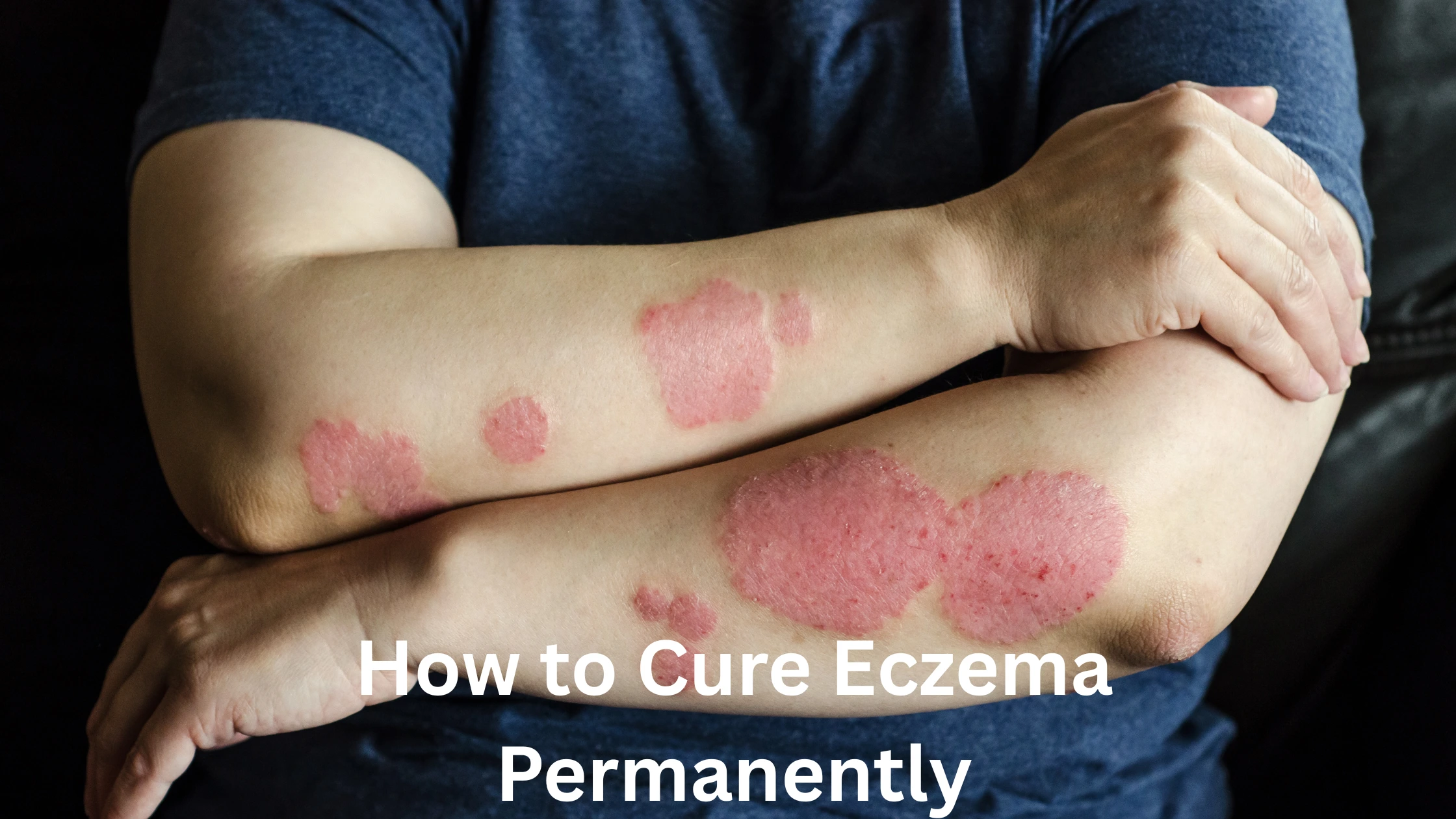
Eczema, or atopic dermatitis, is a chronic condition that causes dry, itchy, inflamed skin. While there’s no permanent cure, thousands of people successfully manage their symptoms every day through a mix of lifestyle changes and medical treatments.
If you’re tired of flare-ups controlling your life, the good news is: you can take control. From choosing the right moisturizer to using light therapy or prescription creams, there are many effective ways to calm your skin.
This blog covers everything you need to know about managing eczema, including practical tips, a comparison table of treatment options, and answers to the most frequently asked questions.
What Is Eczema?
Eczema is a non-contagious skin condition marked by itchiness, redness, dryness, and sometimes oozing or thickened patches. It can occur anywhere on the body and often appears in cycles—meaning you may go through periods of flare-ups followed by periods of clearer skin.
Eczema isn’t just a surface-level problem. It involves the immune system, a weakened skin barrier, and various environmental or internal triggers.
Everyday Lifestyle Changes That Make a Big Impact
Managing eczema starts at home with consistent, gentle care for your skin. These lifestyle habits can significantly reduce flare-ups and improve your comfort.
1. Moisturize Frequently
Moisturizing is the foundation of eczema care. Use a thick, fragrance-free cream or ointment at least twice daily—especially after bathing. This helps restore your skin’s natural barrier and lock in moisture.
2. Take Gentle Baths or Showers
Use lukewarm water and a mild, non-soap cleanser. Harsh soaps can strip your skin of essential oils. After bathing, pat (don’t rub) your skin dry and moisturize immediately.
3. Try Diluted Bleach Baths
Under medical guidance, soaking in a diluted bleach bath 2–3 times a week may reduce bacteria on the skin and lower the risk of infection. Always follow proper dilution ratios and check with a healthcare provider before trying this.
4. Use a Humidifier at Home
Dry indoor air—especially in winter—can worsen eczema. Running a cool-mist humidifier helps keep the air (and your skin) more hydrated.
5. Avoid Common Triggers
Flare-ups are often linked to specific triggers, which vary by individual. Common ones include:
- Harsh soaps or detergents
- Wool or synthetic fabrics
- Stress
- Sweating
- Certain foods
- Pet dander
- Dust mites
- Seasonal allergies
Start a skin diary to identify what sets off your eczema and how your body reacts.
Medical Treatment Options for Eczema
1. Topical Creams (Anti-Itch)
- Help reduce redness, itching, and inflammation on the skin
- Applied directly to affected areas
- Best for: Mild to moderate eczema
- Prescription: Sometimes required, depending on strength
2. Barrier Repair Creams
- Support the skin’s natural barrier function
- Lock in moisture and protect against irritants
- Ideal for: Daily maintenance and prevention of flare-ups
- Prescription: Some are over-the-counter, others may need a prescription
3. Oral Treatments
- Work internally to reduce inflammation and immune overreaction
- May also help control itching and allergic responses
- Best for: Moderate to severe eczema, especially when topical treatments aren’t enough
- Prescription: Yes
4. Light Therapy (Phototherapy)
- Uses controlled UV light to reduce inflammation and itching
- Administered in a medical setting or dermatology clinic
- Best for: Chronic or widespread eczema that doesn’t respond well to creams
- Prescription: Yes (and typically done under supervision)
5. Injectable or Oral Immune Modulators
- Target the immune system to reduce flare-ups at the source
- Used for long-term control in difficult or resistant cases
- Best for: Severe eczema or when other treatments have failed
- Prescription: Yes
What to Keep in Mind
Consult a Professional
Self-diagnosing or overusing treatments can worsen your skin. Always consult a dermatologist or medical professional before starting new therapies—especially for children.
Be Consistent and Patient
Managing eczema isn’t about quick fixes. Your skin will need ongoing care, even when it looks clear. Stick with your routine and avoid skipping steps during symptom-free periods.
Try Not to Scratch
Scratching worsens irritation and can lead to infections. Instead:
- Keep nails short
- Use cold compresses to relieve itching
- Try wearing gloves while sleeping if you scratch at night
Real-Life Eczema Tips That Actually Help
These are simple but powerful tips shared by people who live with eczema daily:
- “Apply moisturizer within 3 minutes of getting out of the shower—don’t wait.”
- “Fragrance-free everything: lotion, laundry detergent, body wash.”
- “Invest in soft, breathable clothing like cotton and bamboo.”
- “Stress triggers my eczema—so I added meditation to my daily routine.”
Frequently Asked Questions (FAQs)
Q1. Is eczema contagious?
A1. No. Eczema is not infectious or contagious. You cannot catch it from or give it to someone else.
Q2. Can eczema go away completely?
A2. Eczema is a chronic condition, meaning it tends to last a long time. Some children outgrow it, but many people need to manage it throughout life.
Q3. Are there natural remedies that help eczema?
A3. Yes, some people find relief using natural oils or oatmeal baths. However, these should be used with caution and ideally discussed with a doctor to avoid irritation.
Q4. What foods can trigger eczema?
A4. Common triggers include dairy, eggs, soy, wheat, and nuts—but not everyone reacts to food. An elimination diet under medical supervision can help identify sensitivities.
Q5. How often should I moisturize if I have eczema?
A5. At least twice daily, and more often during flare-ups or in dry environments. Moisturizing immediately after bathing is especially important.
Final Thoughts: You’re Not Alone
Eczema can be frustrating, painful, and emotionally draining. But you don’t have to suffer in silence. With the right daily care, avoidance of triggers, and medical support when needed, eczema can be effectively managed.
You may not be able to “cure” your skin, but you can soothe it, protect it, and empower yourself with knowledge and consistency.