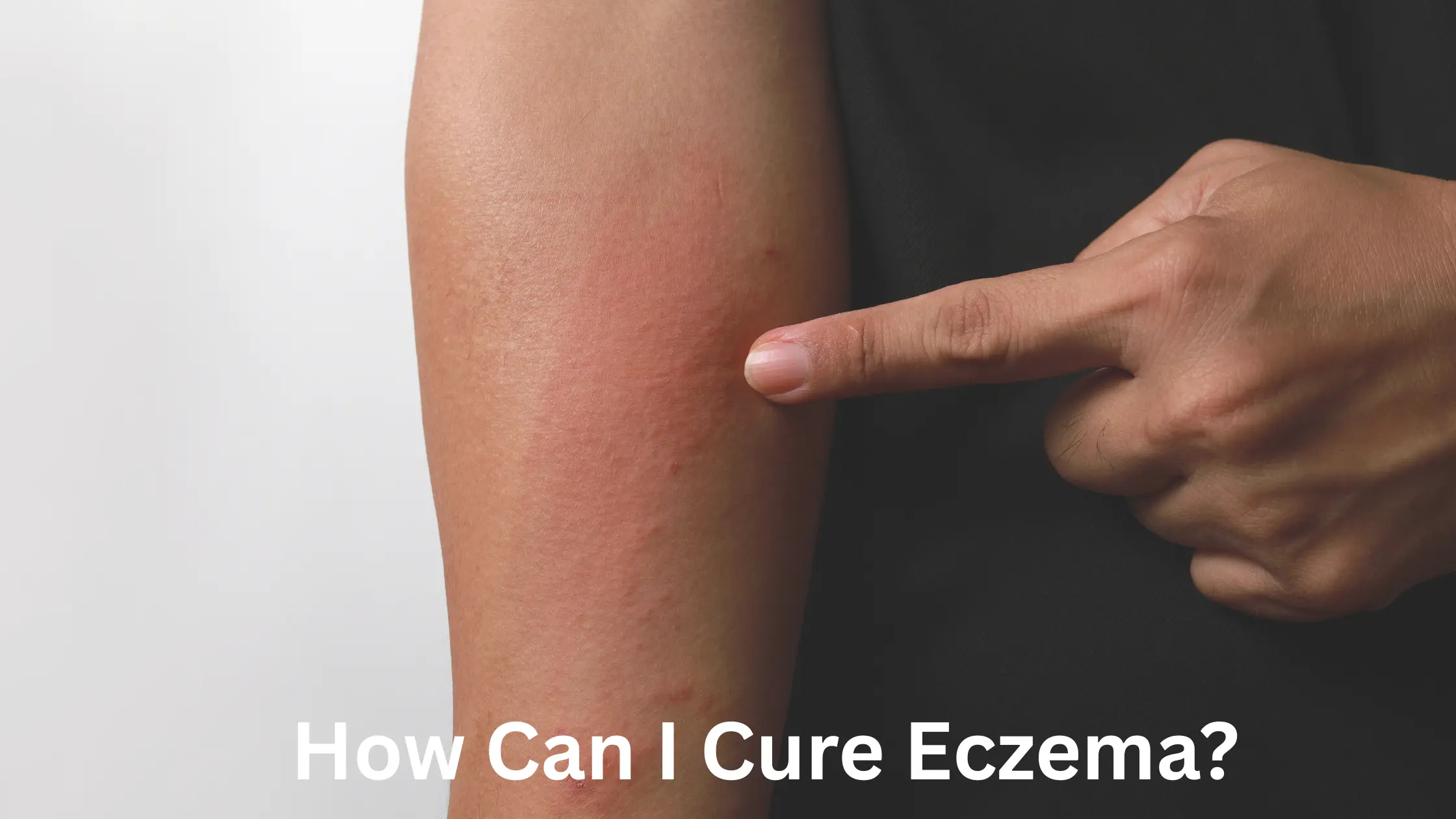
Eczema, also known as atopic dermatitis, is a common chronic skin condition that causes inflammation, redness, dryness, and intense itching. It can affect anyone at any age, though it often begins in childhood. While there is currently no cure for eczema, the good news is that with proper care and lifestyle management, most people can control their symptoms and prevent frequent flare-ups.
What Is Eczema?
Eczema is an inflammatory skin condition that makes the skin red, itchy, and prone to cracking. It can appear on any part of the body, though it’s most common on the hands, elbows, knees, neck, and face. The condition tends to come and go in cycles, with periods of flare-ups followed by times of improvement or remission.
The exact cause of eczema isn’t fully understood, but it’s believed to involve a combination of genetic, environmental, and immune system factors. People with eczema often have a weakened skin barrier, which allows moisture to escape and irritants or allergens to enter more easily.
Daily Skin Care and Lifestyle Adjustments
Managing eczema successfully begins with consistent daily care. A few simple changes in your routine can help keep your skin healthy and prevent flare-ups.
1. Moisturize Often
Moisturizing is one of the most effective ways to control eczema. Apply a moisturizer — such as a thick cream, ointment, or lotion — at least twice daily.
After bathing or washing your hands, gently pat your skin dry and apply moisturizer within three minutes to “lock in” moisture.
Opt for fragrance-free and hypoallergenic products that are designed for sensitive skin.
2. Bathe and Shower Wisely
The way you bathe matters when managing eczema:
- Use lukewarm, not hot, water.
- Limit baths or showers to 10 minutes or less.
- Choose gentle, fragrance-free, non-soap cleansers.
- Avoid scrubbing your skin with rough washcloths.
- Pat dry gently with a soft towel instead of rubbing.
A short, soothing bath can actually help hydrate your skin — as long as you moisturize immediately afterward.
3. Avoid Scratching
Scratching might bring temporary relief, but it actually worsens eczema, leading to more irritation, thickening of the skin, and sometimes infection.
Try these strategies:
- Press or tap the itchy area instead of scratching.
- Keep fingernails short and clean.
- For children, consider cotton gloves at night to prevent scratching during sleep.
4. Identify and Avoid Triggers
Eczema flare-ups often happen when the skin comes into contact with irritants or allergens.
Common triggers include:
- Fragrances and dyes in soaps, detergents, and lotions
- Wool or synthetic fabrics
- Dust, pet dander, or pollen
- Sweating and heat
- Certain foods or stress
Keeping a skin diary can help you pinpoint what triggers your symptoms, so you can make informed changes to your lifestyle or environment.
5. Manage Stress
Stress doesn’t cause eczema, but it can worsen symptoms. Incorporating relaxation techniques such as deep breathing, yoga, mindfulness, or gentle exercise can help reduce stress-related flare-ups.
6. Use a Humidifier
Dry indoor air, especially during winter, can cause your skin to lose moisture quickly. A humidifier adds moisture to the air and can help keep your skin hydrated, especially at night.
Medical Treatments for Eczema
When daily care and trigger avoidance aren’t enough, medical treatments can help control inflammation and reduce itching. Always consult a dermatologist or healthcare provider for personalized advice.
1. Topical Treatments
Doctors often recommend prescription or over-the-counter anti-itch creams to reduce inflammation and calm irritated skin. These are applied directly to affected areas during flare-ups.
2. Oral Medications
For moderate to severe eczema, oral medications may help control itching or inflammation. These are usually prescribed when topical treatments alone are not sufficient.
3. Light Therapy (Phototherapy)
Phototherapy involves exposing the skin to controlled amounts of natural or artificial ultraviolet (UV) light under medical supervision. It can help reduce symptoms and improve skin appearance for some individuals.
4. Immune System Regulation
In severe or treatment-resistant cases, doctors might suggest medications that modulate the immune system’s response to prevent inflammation. These are typically used under strict medical guidance and monitoring.
Living Well with Eczema
Eczema can be challenging, but it doesn’t have to take over your life. By developing a consistent skincare routine, staying aware of your triggers, and following your doctor’s guidance, you can manage symptoms effectively and enjoy clearer, healthier skin.
Remember — what works for one person may not work for another. It may take time and patience to find the right combination of skincare, lifestyle habits, and treatments that work best for you.
FAQs
Q1. Can eczema be cured completely?
A1. Unfortunately, there’s no permanent cure for eczema. However, with the right treatment and care, symptoms can be managed effectively, and flare-ups can be minimized.
Q2. Is eczema contagious?
A2. No. Eczema is not contagious — you cannot catch it or spread it to others through physical contact.
Q3. What causes eczema to flare up?
A3. Flare-ups can be triggered by various factors such as stress, allergens, certain foods, weather changes, or contact with irritating products.
Q4. Can diet affect eczema?
A4. Yes. Some people find that certain foods trigger their symptoms. Keeping a food diary and consulting a healthcare professional can help identify and manage dietary triggers.
Q5. How often should I moisturize my skin?
A5. You should moisturize at least twice a day, and always after bathing or washing. The more consistently you moisturize, the better you can control dryness and irritation.
Q6. Can children outgrow eczema?
A6. Many children with eczema improve as they get older, though some may continue to experience symptoms into adulthood.
Q7. Is it okay to take long baths or hot showers?
A7. It’s best to avoid hot water and limit baths to about 10 minutes. Hot water strips the skin of natural oils, making dryness and itching worse.
Q8. Can stress make eczema worse?
A8. Yes. Stress is a common trigger for eczema flare-ups. Managing stress through relaxation techniques can help keep symptoms under control.
Q9. Can sunlight help eczema?
A9. Moderate sun exposure may help some people, but too much can cause irritation or sunburn. Always consult your doctor before trying light therapy.
Q10. When should I see a doctor?
A10. If your eczema doesn’t improve with home care, becomes painful, shows signs of infection, or interferes with your daily life, consult a healthcare professional for further evaluation and treatment options.
Conclusion
Eczema may not have a cure, but consistent care and smart management can make a world of difference. By keeping your skin hydrated, avoiding triggers, managing stress, and following medical advice, you can minimize flare-ups and maintain comfortable, healthy skin.
Remember: your skin deserves patience, protection, and care — every day.